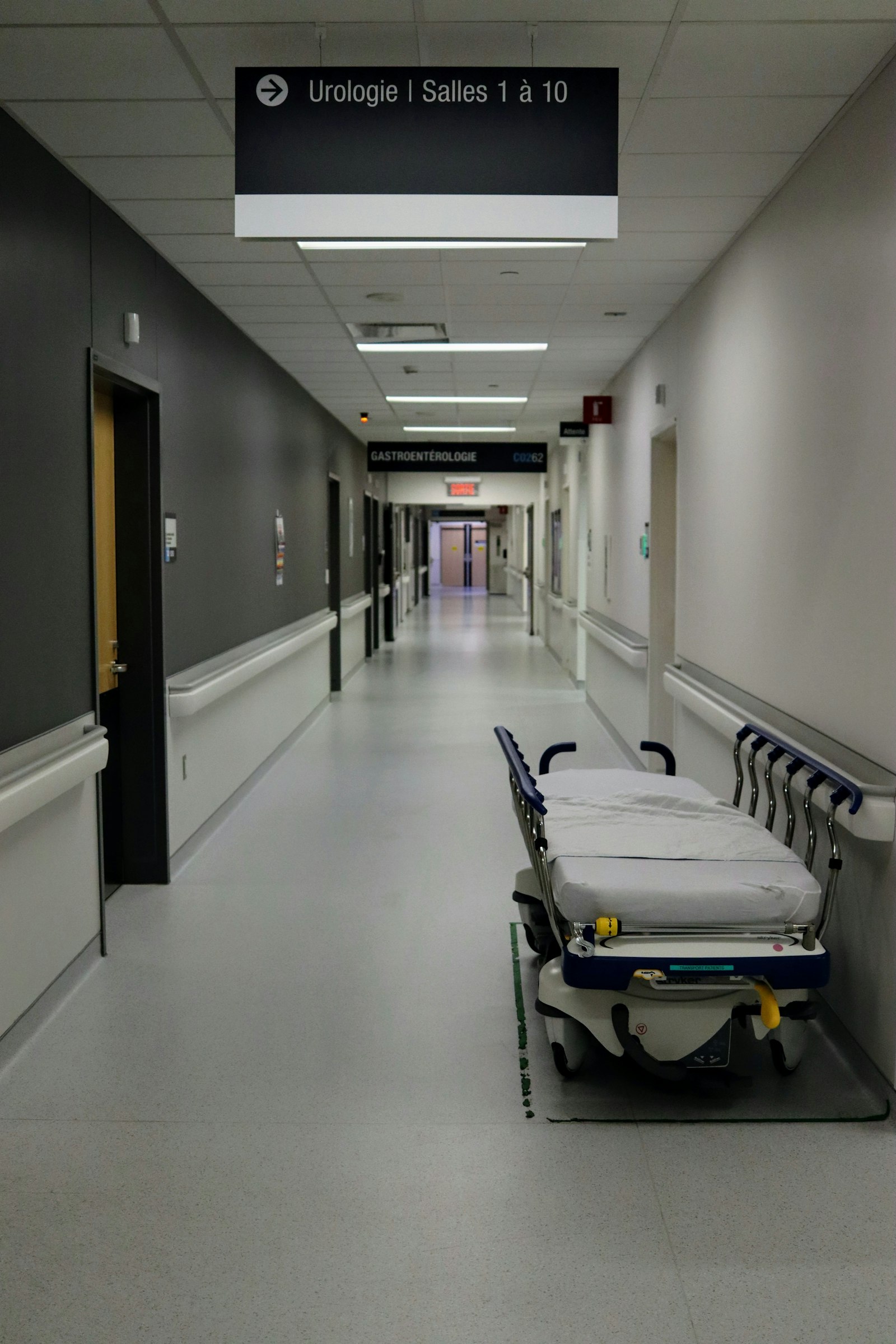
A bipartisan drug-testing bill is headed toward a House vote, and its language could shape how emergency departments collect information about marijuana, fentanyl and other drugs after suspected overdoses.

What the bill would do
H.R. 2004, known as Tyler’s Law, would direct the U.S. Department of Health and Human Services to study how frequently hospital emergency departments test patients experiencing an overdose for fentanyl and other substances, including marijuana, amphetamines, PCP, cocaine and opiates.
The House Energy and Commerce Committee approved the measure 46–0 in July. According to the report from Marijuana Moment, House leaders scheduled the measure for possible floor consideration under suspension of the rules, a process that generally requires a two-thirds vote and does not allow amendments.
Why cannabis is included
The proposal is primarily focused on improving fentanyl testing after a fatal 2018 overdose involving Tyler Shamash. But the study language also names marijuana and other drugs. A positive cannabis screen can reflect prior use rather than current impairment, and the result alone may not explain why a patient is in the emergency department.

The privacy and patient-care questions
The required study would examine testing costs, possible benefits and risks, and how testing could affect confidentiality, privacy protections and the patient–physician relationship. Those questions are especially important for cannabis patients, medical-card holders and people who may fear that a hospital record will be used outside the immediate medical situation.
What happens next
If the House passes the bill, HHS would have one year to complete the study. Within six months after that, the department would issue guidance on routine fentanyl testing, clinician awareness of what standard drug screens do and do not detect, and the possible effects on overdose risk and health outcomes.

For Ohio patients and cannabis consumers, the key issue is whether future testing policies improve emergency care without turning a medical encounter into a broad surveillance tool. A drug screen is only one piece of a clinical picture, and public policy should keep that distinction clear.
Sources and image credits
Reporting source: Marijuana Moment, “Bill Directing Federal Health Officials To Track Testing For Marijuana And Other Drugs In Hospital ERs Set For House Vote This Week,” September 14, 2026. Bill text: Congress.gov, H.R. 2004. Stock images: Unsplash photographers Miguel Ausejo, Anirudh and Juliana Uribbe, used through Unsplash image pages.
This article is an independent Ohio Cannabis Live summary for news and educational purposes. It is not medical or legal advice.