
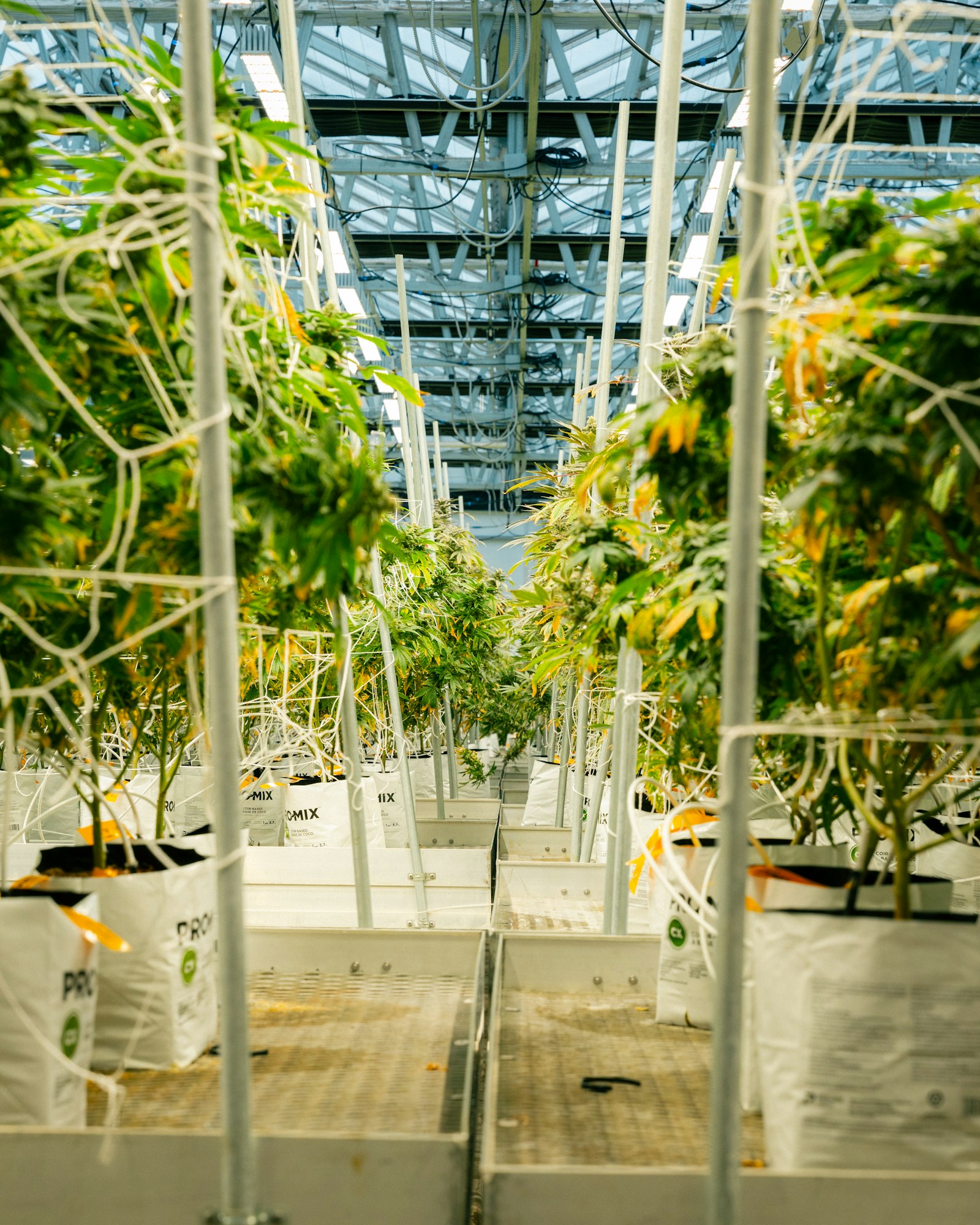
The DEA has finished hearing arguments over federal marijuana rescheduling. Now comes the waiting game — and this decision could have major consequences for cannabis businesses, patients and the industry here in Ohio.
For years we have been talking about the federal government eventually being forced to deal with the reality of cannabis. Well, here we are. The latest federal hearing over moving marijuana from Schedule I to Schedule III has officially wrapped up, but don't confuse the end of the hearing with the end of the fight.
Pay attention to what they actually DO — not just what politicians and government agencies SAY they're going to do.
WHAT JUST HAPPENED?
The DEA held a multi-day administrative hearing examining the federal proposal to move marijuana from Schedule I to Schedule III under the Controlled Substances Act. The hearings began June 29 and concluded July 15. Schedule I has historically meant the federal government considers marijuana to have no currently accepted medical use under federal law, a position that has become increasingly difficult to reconcile with regulated medical cannabis programs across America.

SO WHAT HAPPENS NEXT?
After the hearing concluded, DEA Chief Administrative Law Judge Derek Julius laid out the next stage. Participating parties were permitted to submit post-hearing briefs and proposed transcript corrections. After reviewing the hearing record and those arguments, the administrative law judge is expected to prepare a recommendation concerning the proposed rescheduling.
But here's the part everybody needs to understand: the judge does not make the final decision. The recommendation eventually goes to the DEA administrator, who holds the authority to issue the agency's final decision. There was no firm timetable announced for when that final decision will come.
SCHEDULE III IS NOT LEGALIZATION
Moving marijuana from Schedule I to Schedule III would be one of the biggest changes in federal cannabis policy in decades. But it would not mean nationwide recreational legalization. It would not automatically make every state cannabis program federally compliant or create interstate recreational cannabis sales overnight. Rescheduling and legalization are two completely different conversations.
WHERE THIS COULD BECOME HUGE: CANNABIS BUSINESS
One of the biggest potential consequences involves taxes. Cannabis companies have spent years dealing with Internal Revenue Code Section 280E, which prevents businesses trafficking in Schedule I or Schedule II controlled substances from taking many normal federal business deductions.
Schedule III changes that equation. It could potentially allow qualifying state-licensed cannabis businesses to deduct ordinary business expenses. Think payroll, rent, advertising, operating expenses, expansion and investment. Changing the federal tax situation could fundamentally change the economics of this industry.

MEDICAL CANNABIS IS ANOTHER BIG PIECE
This debate continues forcing the federal government to acknowledge something patients have been saying for decades: cannabis has medical value. Ohio has had a regulated medical marijuana program for years. Patients exist. Doctors exist. Dispensaries exist. Cultivators exist. Processors exist. Testing laboratories exist.
DON'T EXPECT EVERY FEDERAL RULE TO DISAPPEAR
Schedule III does not mean cannabis suddenly becomes acceptable everywhere. Federal transportation, military and employment restrictions do not simply disappear. State laws and Ohio regulations do not disappear either. This is reform. It is not full legalization.
WHAT DOES THIS MEAN FOR OHIO?
This is where Ohio Cannabis Live will be paying particularly close attention. Ohio now has both medical and adult-use cannabis markets. Federal changes can eventually affect taxation, banking, research, investment, employment policies, firearms questions, medical cannabis and businesses operating inside Ohio's regulated industry.
Every time something happens in Washington, we're going to break down the question that actually matters to people here: What does this mean for Ohio? Not California. Not Colorado. Not somebody screaming into a camera on TikTok. Ohio. Because that's our lane.
NOW WE WATCH THE DEA
The hearing is finished. The arguments have been made. The administrative process continues. Could Schedule III dramatically change the cannabis industry? Absolutely. Does it solve every problem created by federal marijuana prohibition? Not even close.
Cannabis businesses still need better banking access. Patients still need stronger protections. Employees still face conflicts between state and federal rules. Researchers still face unnecessary barriers. So we're watching, and when the next decision drops, Ohio Cannabis Live will break down exactly what happened and what it means for Ohio.
Stay informed. Stay involved. And most importantly — don't just read the headline.
Sources
Primary reporting: Marijuana Moment. Additional verification: U.S. Drug Enforcement Administration proposed marijuana rescheduling hearing materials, transcripts and administrative orders.
Ohio Cannabis Live is an independent cannabis media and educational platform. Nothing in this article constitutes legal, medical, tax or investment advice.